

Not every race on your calendar should be approached the same way. How we prepare for, execute, and recover from a race depends on the role that race plays in the bigger picture. Here's how to classify your races so they serve your training rather than disrupt it.
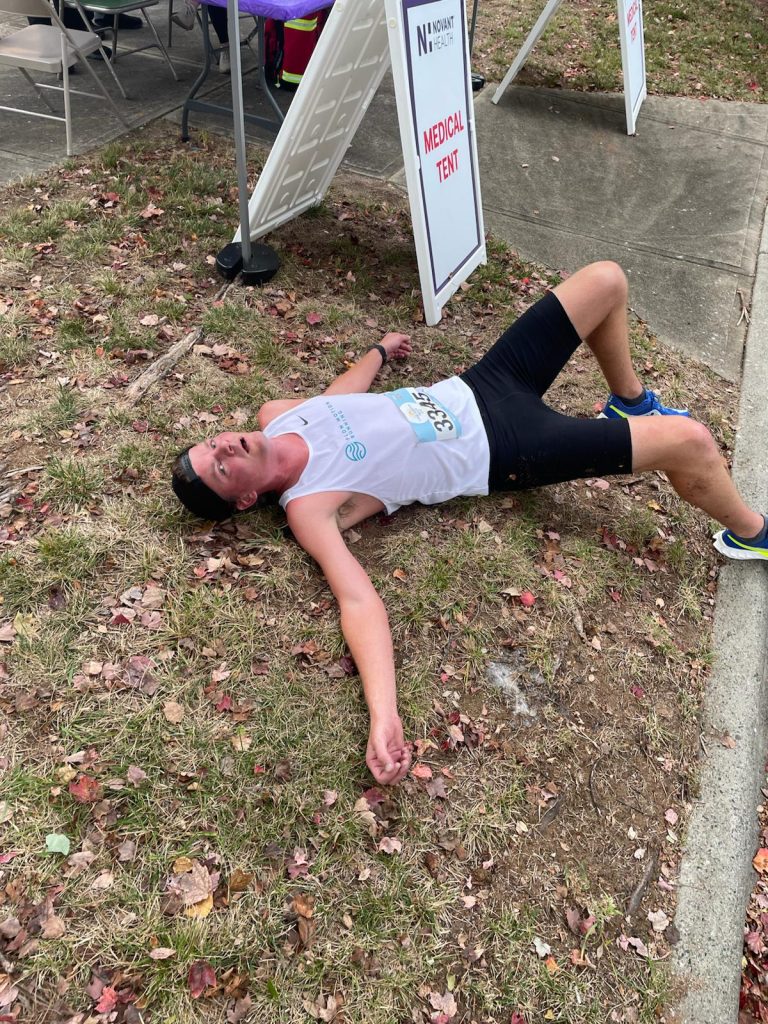
We know running in the heat is tough. It's been relentless but the training hasn't stopped or let up. We are so close to reaping what we have sowed so here's some tips to help us push through this last stretch of heat.

A continuation of our approach to balancing pace with other data metrics when executing workouts. What should we be paying attention to and how do we apply that to our workouts.

Athletes often talk about pace but too often we are over relying on pace to guide and/or judge our workouts. Instead we encourage you to invest more heavily in understanding how different intensities should feel along with some other useful metrics.

Sometimes fitness doesn't fall into place the way we want it to. We work hard, but we don't quite see the results. Being patient and listening to our body can help us express that fitness over time.

Connecting how helping my son learn to ride his bike to coaching athletes on their journeys to achieving big and challenging goals.

Not all Fartleks are the same and understanding how to approach your Fartlek can help you achieve the desired outcome of the Fartlek workout.

The taper whirlies can do strange things to the mind. This post works on making sure we stay focused on the things that are relevant and pushing aside those other less useful distractions.

Personal experience of all the feels during the peak stage of Marathon Training. It's hard, but we can do it. Keeping things in perspective is important.

Having a long vacation or significant travel time fall during your training can be a challenge. Find out how to balance your training while on vacation.

Running on the treadmill instead of outside can feel different on your body and be more challenging to accurately track your runs. This guide walks you through these so that you can have success running on the treadmill.

What's the difference between humidity and dew point and how are they connected? Find out how to adjust your training based the conditions.

Knowing and recognizing the signs of heat exhaustion and stress can help keep yourself and others safe in the heat when running.

Discover what creatine is and how runners are using creatine in their training to improve their physical and mental performance.

Becoming a morning runner can be hard. Find out why it may be challenging for you and some tips that can help you run in the morning.

Running in the heat is hard. Understand what is happening to your body when running in the heat and strategies you can apply to help you perform to your best through those hot periods of training.

Athlete Spotlight on Lindsey Dasher. Working Mom, business owner, and still chasing big races and goals. Find out more about her running journey and be inspired.

Chasing big goals? There’s a lot we can all take from Jordan Vardon that can help you reach your goals. Take a read and get to know Jordan’s story.

Runner Safety tips and personal safety gear that can improve your safety on the run and best prepare you if you find yourself in an unsafe situation.

From conquering Newton Hills, to lighting up the streets of Tokyo, Heather has achieved the dream that many of us continue to strive for.